History Facts
-
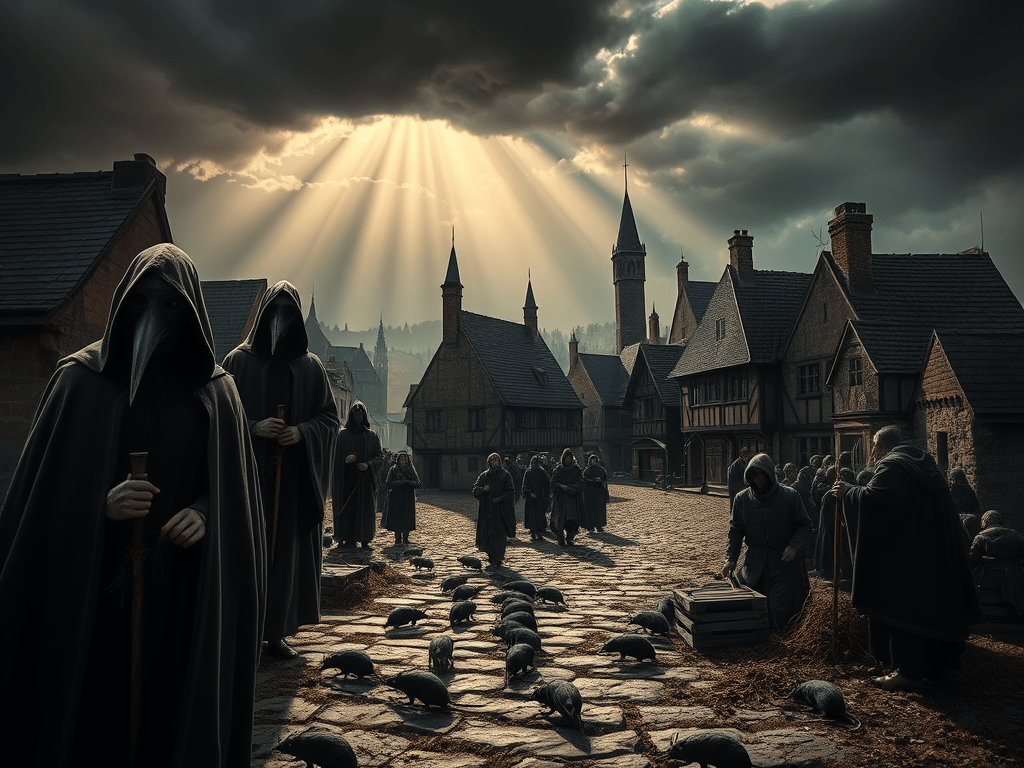
The Black Death, a plague originating in Asia, devastated Europe in the mid-14th century, killing one-third of the population. It weakened the Church, altered social structures by diminishing feudalism, and accelerated urbanization. The aftermath catalyzed the Renaissance, emphasizing art and science, ultimately transforming European society and its future.
-

Zakir Hussein, a celebrated musician and composer, was a pivotal figure in Hindustani classical music, known for his global collaborations and multiple Grammy wins. He dies on 15th December at the age of 73 years. This blog looks at some key facts of his life and achievements Highlights🎶 Born on March 9, 1951, in Mumbai,…
-

Modern football began in 1863 with the Football Association’s formation, establishing rules and splitting from rugby. Industrialization spurred club growth, leading to professional leagues. Football’s global expansion was aided by FIFA, founded in 1904. The sport’s popularity soared, evident in World Cup growth, attracting billions of spectators worldwide.
-

The Chinese Communist Revolution (1927-1949) resulted in the founding of the People’s Republic of China amid civil strife, Japanese invasion, and social reforms. Key factors included the fragmentation post-Qing, shifting alliances between KMT and CPC, peasant support, and the Long March, leading to the CPC’s victory and significant lasting impacts.
-

Summary The video talks about Green and White Revolutions in India, highlighting their transformative impact on agriculture and milk production. Highlights Key Insights
-
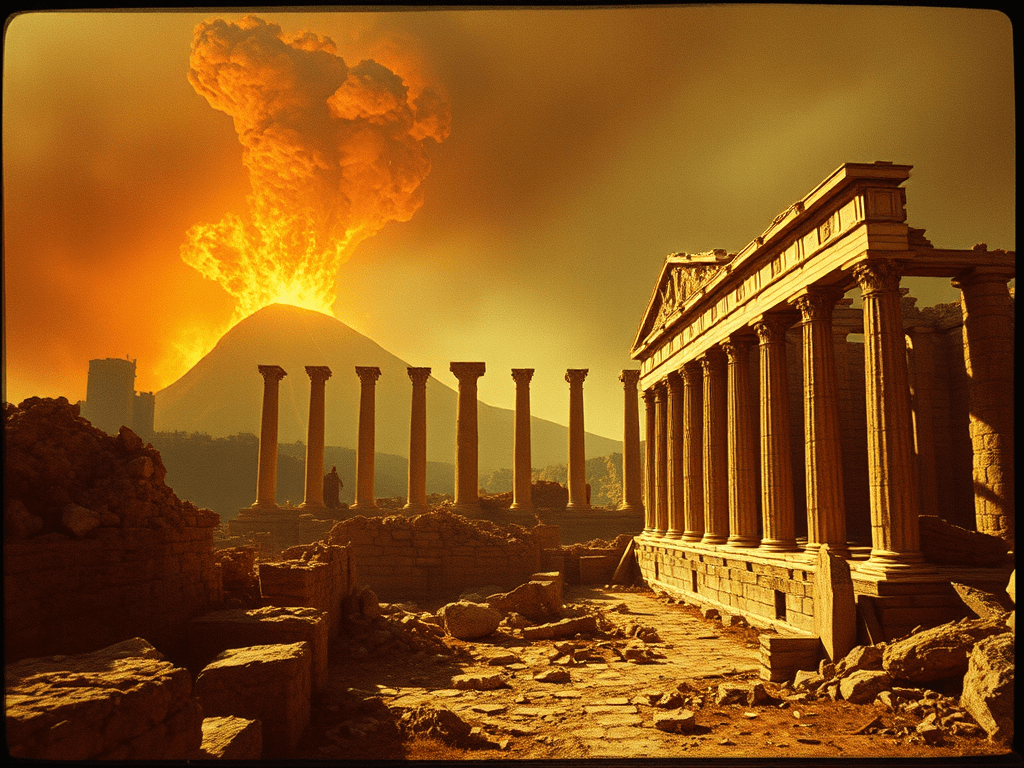
The essay discusses the decline and collapse of various civilizations, highlighting contributing factors such as warfare, disease, environmental changes, and internal decay. It also emphasizes the essential elements for civilization’s thriving and the potential threats our civilization faces today. These include climate change, depletion of crucial resources, pandemics, adverse effects of new technologies, armed conflicts,…
-
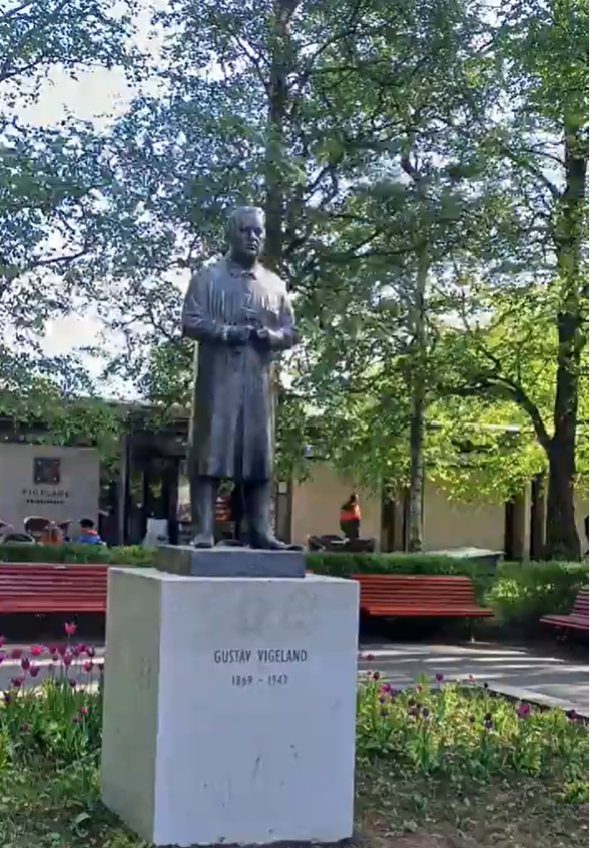
Gustav Vigeland, a renowned Norwegian artist born in 1869, is best known for his sculptural works, particularly those showcased in Oslo’s Vigeland Park. The park features over 200 of his sculptures depicting people of all ages engaged in various activities. Among them, “Angry Boy” stands out as a popular attraction due to its expressive portrayal.
-
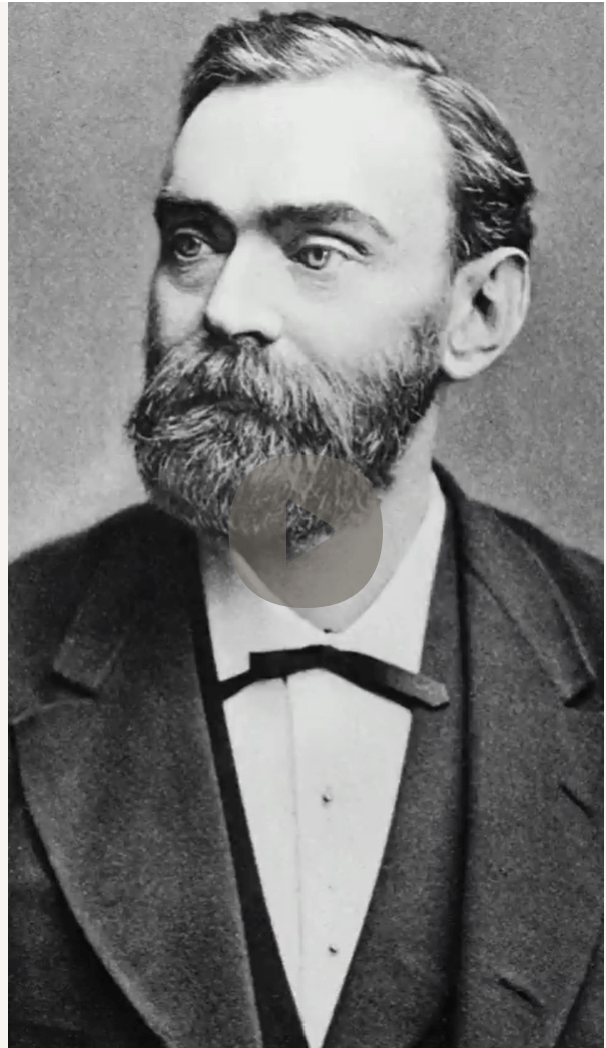
Alfred Nobel, a Swedish scientist born in 1833, invented dynamite, a powerful yet dangerous explosive. He left a lasting legacy by establishing the Nobel Prizes, awarded annually for exceptional work in science, literature, and peace. Nobel is remembered for both his invention and his contribution to improving the world.
-
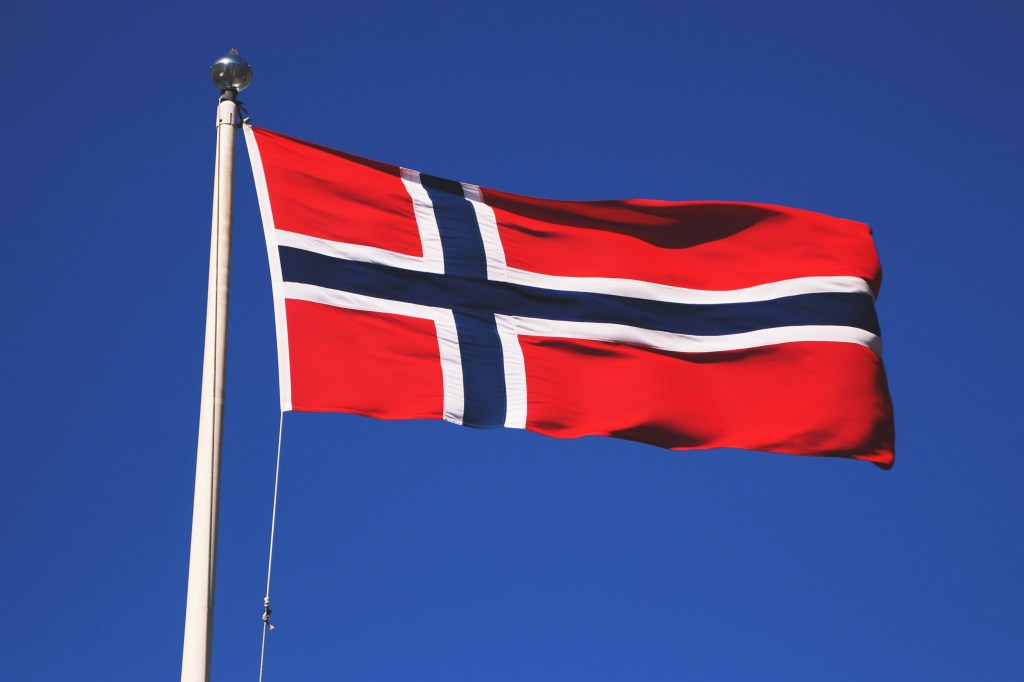
Norway, known for its stunning natural landscapes, embodies a rich Viking heritage and maritime tradition. Its capital, Oslo, features green spaces and museums like the Viking Ship Museum and the National Gallery. The country boasts a high standard of living, robust social welfare, and environmental sustainability. With its Northern Lights and Midnight Sun, Norway is…
-

Hans Christian Andersen, a Danish author, is renowned for his enchanting fairy tales like “The Little Mermaid,” “The Ugly Duckling,” “The Emperor’s New Clothes,” and “Thumbelina.” His underdog characters reflect his early-life struggles, yet he achieved international fame and his works have been translated into numerous languages, solidifying his status as a legendary storyteller.
 Med Writes