-

Zakir Hussein, a celebrated musician and composer, was a pivotal figure in Hindustani classical music, known for his global collaborations and multiple Grammy wins. He dies on 15th December at the age of 73 years. This blog looks at some key facts of his life and achievements Highlights🎶 Born on March 9, 1951, in Mumbai,…
-

Modern football began in 1863 with the Football Association’s formation, establishing rules and splitting from rugby. Industrialization spurred club growth, leading to professional leagues. Football’s global expansion was aided by FIFA, founded in 1904. The sport’s popularity soared, evident in World Cup growth, attracting billions of spectators worldwide.
-

The Chinese Communist Revolution (1927-1949) resulted in the founding of the People’s Republic of China amid civil strife, Japanese invasion, and social reforms. Key factors included the fragmentation post-Qing, shifting alliances between KMT and CPC, peasant support, and the Long March, leading to the CPC’s victory and significant lasting impacts.
-

Summary The video talks about Green and White Revolutions in India, highlighting their transformative impact on agriculture and milk production. Highlights Key Insights
-

On October 20, two significant historical events occurred: the British Parliament regulated the East India Company in 1773, marking the start of government control that led to direct British rule, and the Sydney Opera House opened in 1973, inaugurated by Queen Elizabeth II as a testament to Australia’s cultural identity and architectural innovation.
-
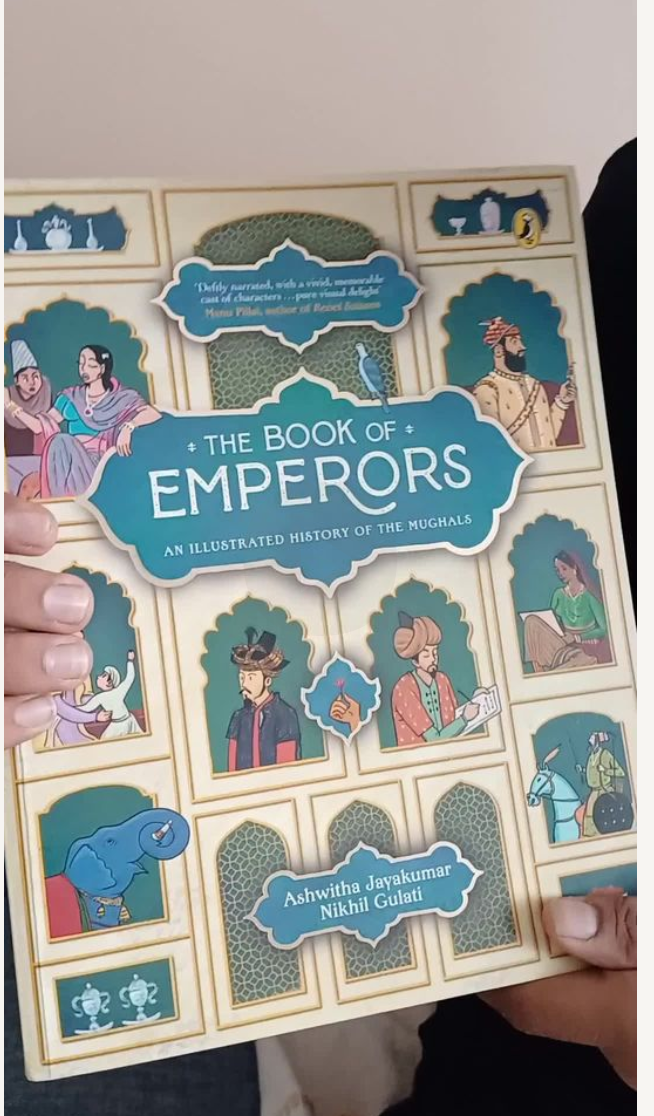
The “Book of Emperors” review vlog delves into the captivating stories of the Mughal Emperors and their legacy over three centuries. Authored by Ashwitha Jayakumar, it explores the wars, art, music, and cultural influences of Babur’s descendants, offering a rich and engaging portrayal of their lives.
-

The essay discusses the decline and collapse of various civilizations, highlighting contributing factors such as warfare, disease, environmental changes, and internal decay. It also emphasizes the essential elements for civilization’s thriving and the potential threats our civilization faces today. These include climate change, depletion of crucial resources, pandemics, adverse effects of new technologies, armed conflicts,…
-
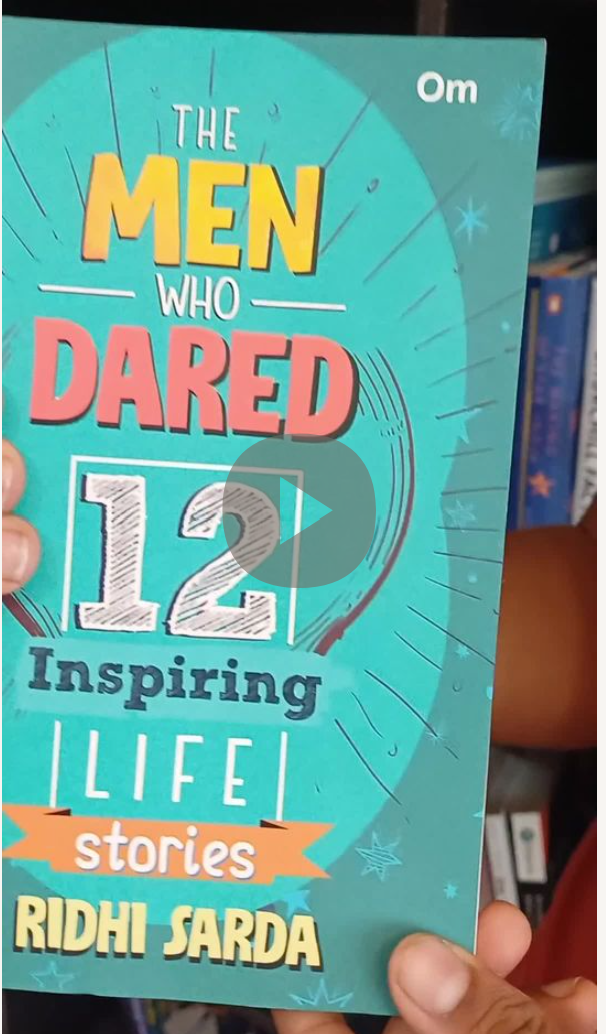
The Men Who Dared features twelve inspiring life stories of men who faced challenges fearlessly and left a positive impact. It highlights different forms of strength, aiming to inspire young readers to fearlessly pursue their dreams.
-

A brilliant boy from Calcutta, Satyendranath Bose, excels in mathematics, setting a record of scoring 110 out of 100 in school. His groundbreaking theories would later revolutionize the field of physics. Check out Swati Sengupta’s book for more on this remarkable story in my latest Vlog review.
-
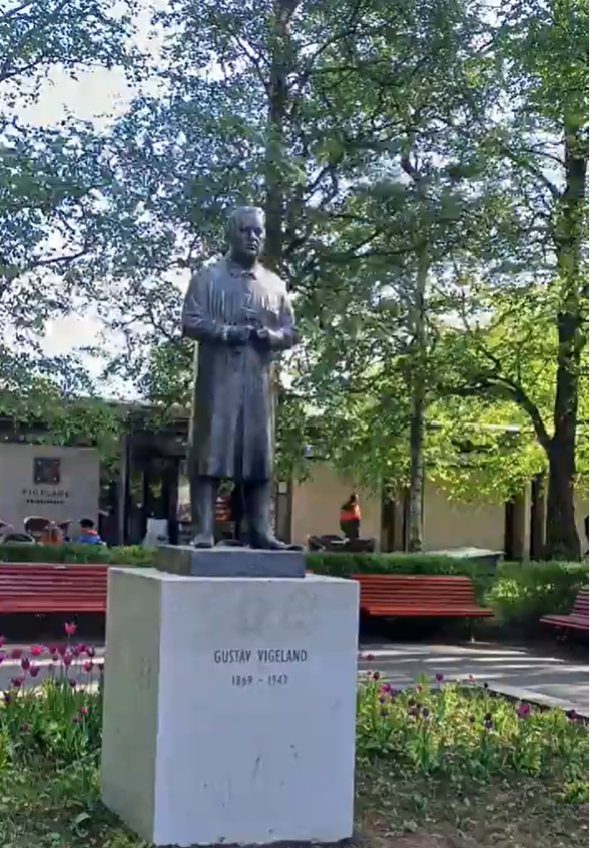
Gustav Vigeland, a renowned Norwegian artist born in 1869, is best known for his sculptural works, particularly those showcased in Oslo’s Vigeland Park. The park features over 200 of his sculptures depicting people of all ages engaged in various activities. Among them, “Angry Boy” stands out as a popular attraction due to its expressive portrayal.
-
Subscribe
Subscribed
Already have a WordPress.com account? Log in now.
 Med Writes