History Days
-
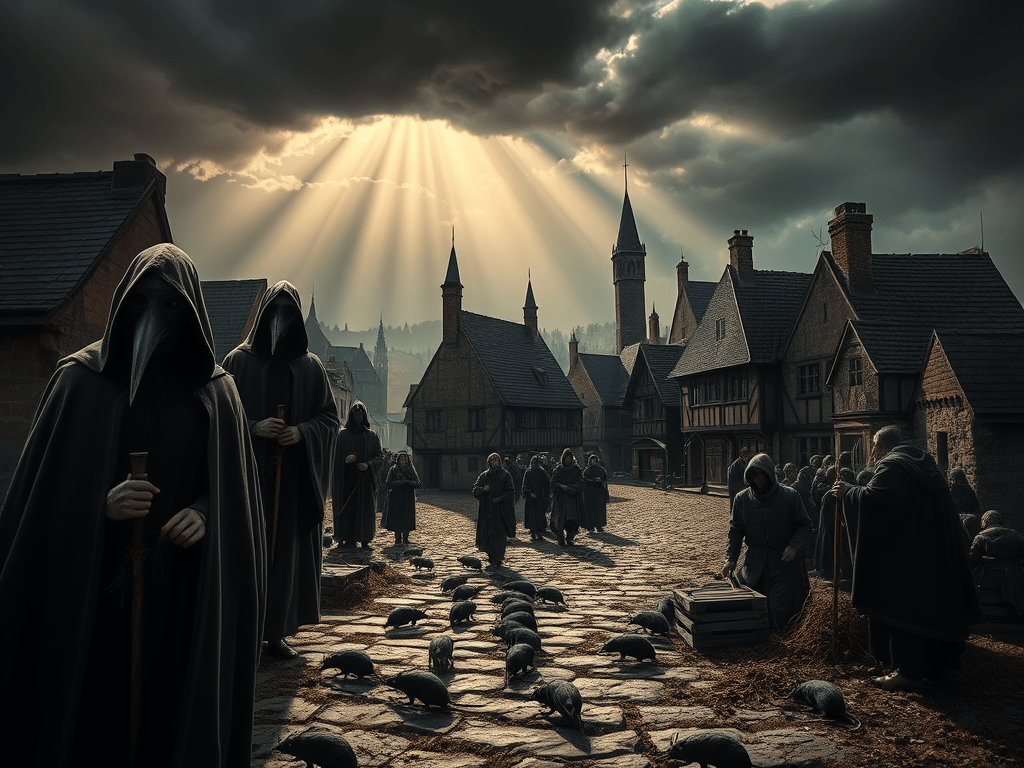
The Black Death, a plague originating in Asia, devastated Europe in the mid-14th century, killing one-third of the population. It weakened the Church, altered social structures by diminishing feudalism, and accelerated urbanization. The aftermath catalyzed the Renaissance, emphasizing art and science, ultimately transforming European society and its future.
-

Zakir Hussein, a celebrated musician and composer, was a pivotal figure in Hindustani classical music, known for his global collaborations and multiple Grammy wins. He dies on 15th December at the age of 73 years. This blog looks at some key facts of his life and achievements Highlights🎶 Born on March 9, 1951, in Mumbai,…
-

Modern football began in 1863 with the Football Association’s formation, establishing rules and splitting from rugby. Industrialization spurred club growth, leading to professional leagues. Football’s global expansion was aided by FIFA, founded in 1904. The sport’s popularity soared, evident in World Cup growth, attracting billions of spectators worldwide.
-

The Chinese Communist Revolution (1927-1949) resulted in the founding of the People’s Republic of China amid civil strife, Japanese invasion, and social reforms. Key factors included the fragmentation post-Qing, shifting alliances between KMT and CPC, peasant support, and the Long March, leading to the CPC’s victory and significant lasting impacts.
-
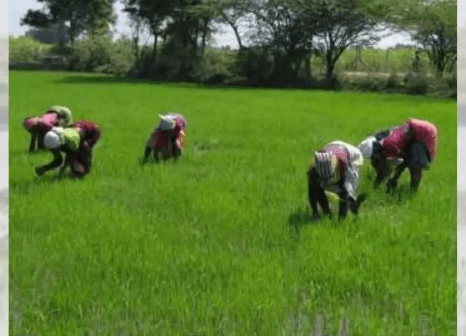
Summary The video talks about Green and White Revolutions in India, highlighting their transformative impact on agriculture and milk production. Highlights Key Insights
-
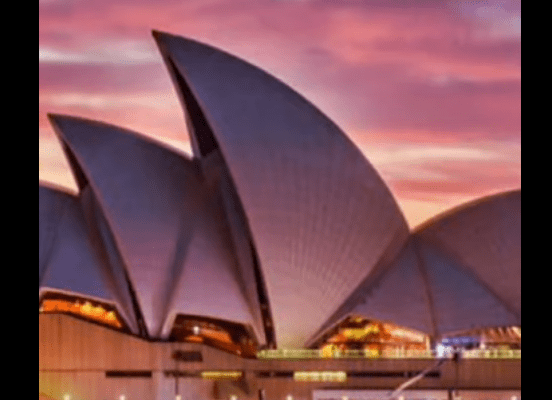
On October 20, two significant historical events occurred: the British Parliament regulated the East India Company in 1773, marking the start of government control that led to direct British rule, and the Sydney Opera House opened in 1973, inaugurated by Queen Elizabeth II as a testament to Australia’s cultural identity and architectural innovation.
-
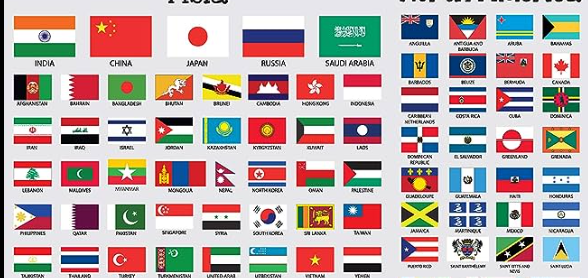
Today, I will share the intriguing stories behind 5 flags. They are not just random symbols and colors, but each holds unique meaning and history. These flags represent the past and future aspirations of their respective countries.
-
30-Jan-2023 23-Jan-2023 16-Jan-2023 9th Jan 2023 Regular History Mondays ! A very happy new year to each one of us and my friends as well followers. We start the year with part year round-ups ! Have a look at the 10 things I gathered from year 2022
-
I am starting a new VLog section that will bring out interesting facts from past every Monday starting this year !!
-
I am starting a new VLog section that will bring out interesting facts from past every Monday starting this year !!
 Med Writes