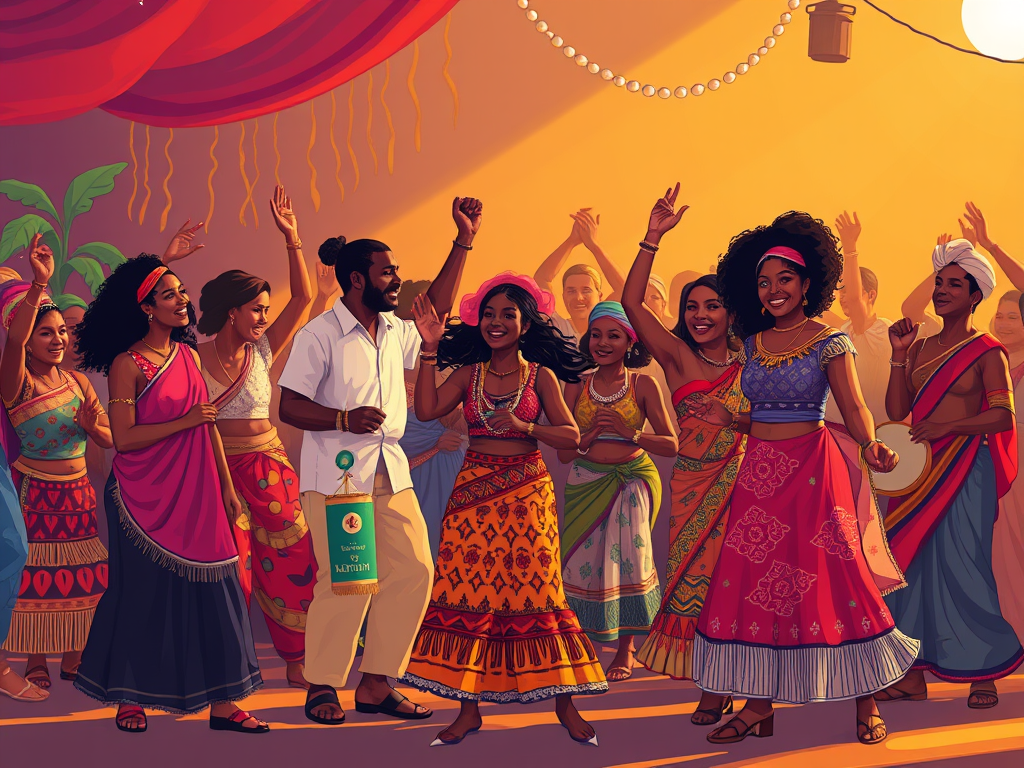
“If you get the culture right, most of the other stuff will take care of itself.”-Tony Hsieh
The world is riddled with complex challenges that demand our attention and action. One such challenge is cultural erasure.
Cultural erasure refers to eliminating a group’s cultural identity, beliefs, and practices—often due to colonialism, certain policies, or societal marginalisation. Despite its profound implications, this issue usually goes unnoticed. Cultural erasure leads people to forget their origins, and awareness of these cultural traditions fades with each generation. Preserving cultures is vital because it fosters global awareness, promotes diversity, and helps build bridges between communities. Understanding diverse cultures helps us avoid stereotypes, improve communication, and develop empathy and respect. Moreover, cultural memory helps us better understand our own identities and heritage. One major contributor is imperialism. Throughout history, imperialist powers have erased the languages, traditions, and identities of colonised peoples. Dominant nations often imposed foreign educational systems, languages, and governance structures. For example, during British rule in India, English was made the language of governance, marginalising indigenous languages like Sanskrit and Tamil. Traditional learning systems such as gurukuls were dismantled. This intellectual domination limited access to local knowledge and created a situation where success depended on embracing the colonisers’ culture.
Modernisation is another significant factor. Industrialisation and rapid technological advancement have caused many societies to abandon traditional practices in favour of global trends and contemporary lifestyles. While innovation can be beneficial, it can also lead to cultural homogenisation. As societies adapt to global perspectives, they often discard unique customs, values, and languages that do not align with modern norms.
Economic pressures also play a role. In pursuit of economic survival or upward mobility, communities may migrate to urban areas or adopt mainstream lifestyles, leaving behind rural or indigenous traditions. As economic viability takes precedence, cultural practices often become sidelined or forgotten altogether.
Government policies can contribute to cultural erasure by promoting a single identity or language, marginalizing minority cultures. Educational curricula that exclude diverse histories and perspectives further assist this issue. Embracing cultural diversity is essential for creating an inclusive society that values and represents the richness of all cultural identities.
Tackling cultural erasure requires awareness, preservation efforts, and a collective commitment to celebrating diversity.
The first step is recognition. Education plays a crucial role here. Incorporating the history and contributions of diverse cultures into school curricula fosters awareness and appreciation for cultural diversity. Media, literature, and art can also raise awareness by showcasing the impacts of cultural erasure and celebrating unique traditions.
Preserving endangered languages, customs, and heritage sites is equally important. Language revitalisation programs, such as teaching and documenting indigenous languages, help maintain linguistic diversity. Supporting festivals, rituals, and other traditional practices ensures that cultural expressions remain vibrant. Governments and organisations must invest in the restoration and protection of cultural heritage sites so that they endure for future generations.
Promoting respect and inclusivity is essential. Societies should adopt policies that ensure equal representation and participation for all cultural groups. Encouraging intercultural dialogue fosters mutual understanding and reduces prejudice. By valuing and celebrating diversity, we create inclusive environments where all cultures are respected and can coexist peacefully.
Cultural erasure poses a serious threat to the richness of global heritage. However, by recognising its existence, investing in preservation, and fostering inclusivity, we can protect cultural identities from vanishing. Celebrating our differences strengthens social bonds and enriches humanity as a whole. A more inclusive world—one where every culture is honoured—will be a more compassionate, understanding, and united one. “Every time a tradition dies, the world becomes a little less colourful.” so let’s make the world more colourful and try to stop cultural erasure and revive cultures
 Med Writes
Leave a comment