Summary
The video talks about Green and White Revolutions in India, highlighting their transformative impact on agriculture and milk production.
Highlights
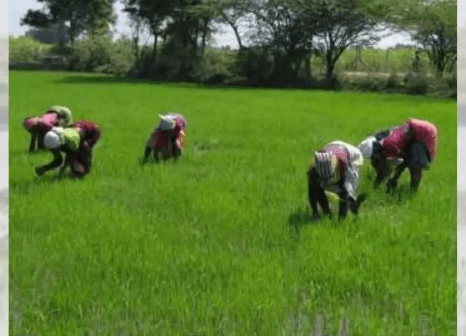
- 🌱 Green Revolution transformed India from an agricultural deficit to a dominant agricultural nation.
- 👨🌾 M.S. Swaminathan, the key figure behind the Green Revolution, introduced modern farming techniques.
- 📈 Average crop yield per hectare significantly increased during the Green Revolution.
- 🥛 White Revolution, led by Dr. Verghese Kurien, turned India into one of the largest milk producers.
- 🐄 Operation Flood educated farmers on animal husbandry, boosting milk production.
- 🇮🇳 India surpassed the USA in milk production around 2009-2010.
- 🚜 Modern techniques like drip irrigation and fertilizers revolutionized agricultural practices.
Key Insights
- 🌾 The Green Revolution was pivotal in ensuring food security for India’s growing population, showcasing the importance of agricultural innovation.
- 📊 Statistical improvements in crop yields during the Green Revolution illustrate the effectiveness of new technologies in farming practices.
- 🧑🔬 M.S. Swaminathan’s contributions highlight the role of visionary leaders in driving agricultural change and policy in India.
- 🐄 The White Revolution not only addressed milk shortages but also empowered rural communities through cooperative models.
- 📚 Education in animal husbandry emphasized the significance of knowledge transfer to enhance productivity in livestock farming.
- 🌍 India’s rise as a leading milk producer reflects its successful adaptation to agricultural demands and market opportunities.
- 💡 Both revolutions exemplify how strategic interventions can lead to substantial economic and social transformations within a country.
 Med Writes
Leave a comment